Leaving
A departure date turns the place back into somewhere you are visiting
Once leaving becomes a fixed fact, the relationship to a city changes immediately, and the final months are a distinct phase that is worth handling on purpose.
By Arjun Nair3 min read

The date changes the place
The moment a departure becomes fixed, something shifts in how you experience where you live. Ordinary things acquire a countdown. The walk to work becomes a thing you are doing for the last few hundred times, the café becomes a place you will miss, and the future in that city, which was previously open, closes.
This is the reverse of what happens on arrival, when the absence of a return date removed structure. Now a date supplies it again, and with it the visitor’s frame: a list, a sense of limited time, an urgency about doing things.
It is not a bad phase. It is a distinct one, and people who recognise it as such tend to handle the last months better than those who treat them as ordinary time that happens to end.
The list, and what belongs on it
Most people make some version of a list, and the useful distinction is between things you want to do again and things you never got round to. The first category is almost always more rewarding than the second, and it is the one people neglect in favour of the museum they never visited.
Places have a way of becoming precise at the end. The specific walk, the specific view, the particular table. Doing those deliberately, knowing what you are doing, is one of the better things available in a final season, and it costs nothing.
The unvisited attractions are worth a weekend, not a campaign. If a year did not produce a reason to go, the last month rarely supplies one, and exhausting yourself on obligations to a list is a poor use of a final month.
Saying goodbye to people takes real time
The social side of leaving is heavier than people plan for. Everybody wants to see you, the calendar fills, and it collides directly with the fortnight in which the flat has to be emptied and the paperwork closed. Starting the goodbyes early, over a couple of months, is much better than compressing them.
It also matters to distinguish between the people you are saying goodbye to and the people you are simply going to see less often. The second category is larger than it feels at the time, and treating a friendship as ended because a geography changed is a mistake that is easy to make in an emotional month.
One practical thing, easily forgotten: collect contact details properly. The friend you would reach through a local messaging app or a workplace system may be genuinely hard to find once you have left both.
The last fortnight is logistics, not sentiment
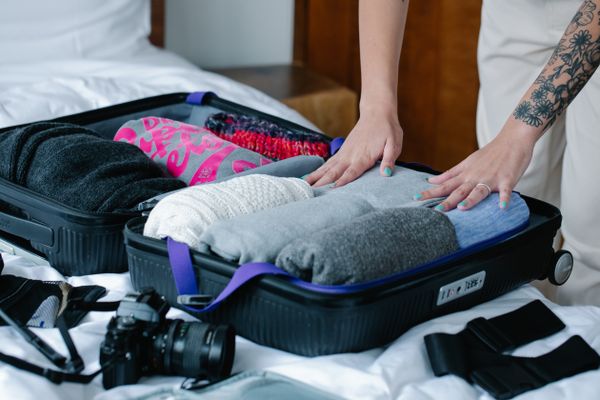
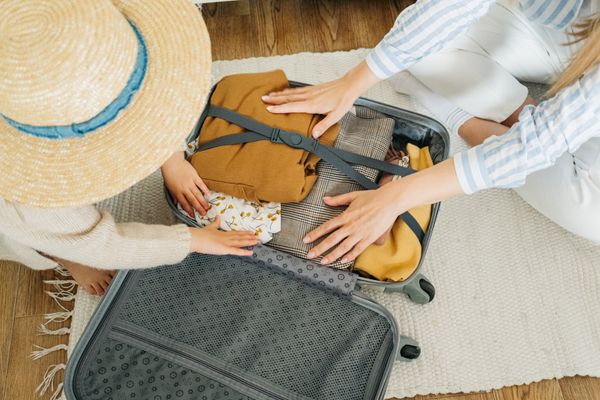
Plan for the final two weeks to be consumed by the flat, the closures and the packing, because they will be. Anything meaningful you want to do should be finished before that window opens, and anything social scheduled inside it should be small and local.
This is also the phase in which people are most likely to make expensive mistakes, being tired and distracted: a missed notice deadline, a contract left running, a final reading not taken. A written checklist made calmly a month earlier is the antidote.
And leave a day at the end doing nothing in particular. Everybody who has done this recommends it and almost nobody does it, because the day gets eaten by whatever ran late. Protect it anyway; it is the only chance you get to look at the place without a task attached.
Leaving well, rather than just leaving
There is a version of departure that involves quietly disappearing, and it is more common than it should be, usually because goodbyes are uncomfortable and the last weeks are busy. It tends to be regretted, because the relationships were real and the ending is the part people remember.
The alternative does not require ceremony. Tell people you are going, in good time. Settle what you owe, return what you borrowed, thank the people who helped you when you arrived and knew nothing. Leave the flat properly. Deal with the paperwork so that the country has no reason to think badly of you.
It matters practically as well as personally, because a place you left cleanly is a place you can go back to. A surprising number of people do return, for a visit or for another stay, and the version of yourself they remember is the one from the last month.
Common questions
How far in advance should I tell people I am leaving?
Earlier than feels comfortable, mainly so the goodbyes are spread out rather than compressed into the final fortnight when you are also emptying a flat. Employers and landlords usually have contractual notice periods that set the earliest practical date.
Should I spend the last month travelling around the country?
Some people do and enjoy it, and it collides badly with the practical business of closing a life down. If you want a final trip, take it before the last month rather than inside it, and leave the closing tasks their own clear run.
Is it worth keeping in touch with people I will not see again?
The honest answer is that some friendships survive distance and many become occasional, and which is which is difficult to predict at the time. Collecting contact details properly costs nothing and preserves the option, which is more than most people manage.
Consumer editor, Globetrotter Talks
Arjun writes the explanatory pieces on arriving, visas & paperwork, money abroad and is unreasonably interested in the detail nobody else checks.